KOSPIKOSPI
Daily Market Briefing
Latest briefing
KOSPI plunges 8% to 5,527.12 amid intensified tech sell-off
The KOSPI index experienced a significant decline of 8%, closing at 5,527.12, driven by a broad sell-off in technology stocks. This downturn was influenced by higher-than-expected U.S. inflation data, which led to increased bond yields and heightened market volatility.
Previous briefings
KOSPI plunges over 6% amid semiconductor sell-off and 'sell sidecar' activation
The KOSPI index experienced a significant decline, falling more than 6% and briefly dipping below the 6,000 mark. This downturn was primarily driven by a sharp sell-off in semiconductor stocks, notably Samsung Electronics and SK Hynix, following China's CXMT's announcement of a memory chip breakthrough. The market volatility led to the activation of a 'sell sidecar' for the first time in about two months.
KOSPI plunges 3.65% to 6,384.24 amid foreign sell-off and semiconductor declines.
The KOSPI index experienced a significant decline of 3.65%, closing at 6,384.24 on October 12, 2026. This downturn was primarily driven by aggressive foreign selling, with net sales amounting to approximately 2 trillion won, and a notable drop in major semiconductor stocks, including Samsung Electronics and SK Hynix, each falling over 4%. Concerns over the sustainability of the artificial intelligence (AI) boom and escalating geopolitical tensions contributed to the market's negative sentiment.
KOSPI drops 1% to 6,559.85 amid continued foreign investor selling on October 12.
The KOSPI index declined by 1% to 6,559.85 on October 12, marking its fourth consecutive day of losses. This downturn was primarily driven by sustained net selling from foreign investors, who offloaded 191.9 billion won worth of shares. The semiconductor sector, notably Samsung Electronics and SK Hynix, experienced significant declines, contributing to the overall market weakness.
KOSPI closes at 6,941.39, down 0.89% amid rising U.S. Treasury yields.
The KOSPI index declined by 0.89% to close at 6,941.39 on October 6, 2026, as rising U.S. Treasury yields dampened investor sentiment. This marks a retreat below the 7,000-point threshold, following a brief recovery in the previous session.
KOSPI Falls 2.62% to 6,625.93 Amid Foreign and Institutional Selling
The KOSPI declined by 2.62% to close at 6,625.93 on October 8, 2026, despite Samsung Electronics reporting a record operating profit of 107.4 trillion won. The downturn was primarily driven by significant selling from foreign and institutional investors, who offloaded approximately 4 trillion won worth of stocks. This selling pressure overshadowed the positive earnings report from Samsung Electronics.
KOSPI declines to 6,755.28 amid foreign and institutional selling despite Samsung's strong earnings.
The KOSPI index fell to 6,755.28 in early trading on October 8, 2026, a 0.71% decrease from the previous close. This decline occurred despite Samsung Electronics reporting a third-quarter operating profit of 107.4 trillion won, surpassing market expectations. The downturn was driven by net selling from foreign and institutional investors.
KOSPI closes at 7,003.74, down 1.09% amid high U.S. interest rates.
In the week ending October 2, 2026, the KOSPI declined by 1.09% to close at 7,003.74. This downturn was primarily driven by the surge in U.S. 10-year Treasury yields, which reached a 24-year high of 5.3%, overshadowing strong semiconductor export performance. Foreign and institutional investors were net sellers, contributing to the index's decline.
KOSPI Rebounds to 7,003.74 Amid Share Buybacks by Samsung and SK hynix
The KOSPI index closed at 7,003.74 on October 2, 2026, marking a 0.46% increase from the previous day. This recovery was primarily driven by share buybacks from major corporations Samsung Electronics and SK hynix, which offset the impact of rising U.S. government bond yields and elevated oil prices.
KOSPI rebounds 1.68% to 6,953.16 on institutional buying; KOSDAQ up 3.76%
On October 1, 2026, the KOSPI index closed at 6,953.16, up 1.68%, driven by substantial institutional purchases totaling 259.4 billion won. The KOSDAQ also saw gains, rising 3.76%. Key sectors contributing to the rally included medical and precision equipment, which rose over 4%, and pharmaceuticals, up more than 3%.
KOSPI edges up 0.5% to 6,873.06 amid AI optimism, despite Iran concerns
The KOSPI index increased by 0.5% to close at 6,873.06, driven by investor optimism in technology and AI sectors. This positive momentum was tempered by ongoing concerns over the conflict in Iran, which continues to weigh on market sentiment.
KOSPI Falls 2.70% to 6,889.74 Amid Rising U.S. Yields and Data Center Delays
The KOSPI index declined by 2.70% to close at 6,889.74 on September 28, 2026, driven by a surge in U.S. government bond yields rekindling high-rate concerns and delays in a local data center project affecting semiconductor stocks. Samsung Electronics and SK hynix both experienced significant declines, contributing to the overall market downturn.
KOSPI closes at 7,023.87 on September 23, 2026, amid profit-taking near 7,000 level.
On September 23, 2026, the KOSPI index opened 1.94% higher at 7,153.99 but faced profit-taking around the 7,000 level, closing at 7,023.87. Samsung Electronics and SK Hynix experienced modest gains, while foreign investors bought approximately 140 billion won in KOSPI shares, and institutions added 700 billion won. Retail investors sold roughly 1 trillion won.
KOSPI opens 1.94% higher but gains fade to 0.33% amid foreign selling.
On September 23, 2026, the KOSPI index initially surged by 1.94%, reaching 7,153.99 points, but later retraced to close at 7,040.78, up 0.33%. This pullback was attributed to foreign investors turning net sellers, offloading 70 billion won worth of shares, while institutional investors continued to buy, net purchasing 418 billion won. Major semiconductor stocks, including Samsung Electronics and SK hynix, experienced modest gains of 2.17% and 0.71%, respectively.
KOSPI surges 1.6% to 7,120.25, bolstered by Wall Street's rally and semiconductor exports.
The KOSPI experienced a significant 1.6% increase, closing at 7,120.25, following a positive session on Wall Street. This upward movement was further supported by strong semiconductor exports, with Samsung Electronics' stock price rising nearly 5%. Institutional investors led the buying spree, net purchasing over 1.4 trillion won, while retail investors sold approximately 3 trillion won.
KOSPI closes at 6,894.23, up 2.66%, driven by foreign and institutional buying.
The KOSPI surged 2.66% to close at 6,894.23 on September 18, 2026, bolstered by significant net purchases from foreign and institutional investors. Semiconductor giants Samsung Electronics and SK Hynix led the rally, with their shares rising 3.37% and 6.42%, respectively. This upward momentum was driven by strong demand in the electrical & electronics and manufacturing sectors.
KOSPI Closes Slightly Lower Amid Fed's Hawkish Rate Hike, While KOSDAQ Rises
The KOSPI index closed at 6,715.41 on September 17, 2026, down 0.04% from the previous session, following the U.S. Federal Reserve's interest rate hike. Despite this, the KOSDAQ rose by 0.76% to 822.18, indicating mixed investor sentiment.
KOSPI closes at 6,912.95, up 0.88%, led by Samsung's shareholder return plan.
The KOSPI rose 0.88% to 6,912.95, driven by gains in semiconductor stocks like Samsung Electronics, following expectations of a significant shareholder return plan. This rebound offset earlier declines, with the index opening lower but recovering as major semiconductor stocks advanced.
KOSPI Falls 3% Amid Rate Hike Concerns and Oil Price Surge
The KOSPI declined by 3% on September 15, closing at 6,684.37 points, driven by concerns over potential interest rate hikes following a higher-than-expected U.S. core CPI and a surge in oil prices. Major semiconductor stocks, including Samsung Electronics and SK hynix, experienced significant losses, contributing to the overall market downturn.
KOSPI rises 1.40% to 7,051.64, led by SK Hynix and LG Energy Solution gains.
The KOSPI index increased by 1.40% to close at 7,051.64, driven by strong performances from SK Hynix and LG Energy Solution. The semiconductor sector's positive momentum, fueled by optimism over AI demand, contributed to the index's rise.
KOSPI Drops 3.99% to 6,562.72 Amid Rising Oil Prices and Middle East Tensions
The KOSPI index declined by 3.99% to close at 6,562.72 on September 2, 2026, driven by escalating Middle East tensions and surging international oil prices. Despite efforts by major companies like Samsung Electronics and SK hynix to stabilize the market through stock buybacks, the index remained under pressure.
KOSPI rises 6.04% in September, driven by AI optimism in semiconductor stocks.
In the past 24 hours, the KOSPI index has experienced a significant rebound, climbing 6.04% in September, primarily fueled by investor optimism surrounding artificial intelligence (AI) advancements. This surge is particularly evident in semiconductor stocks, with major companies like Samsung Electronics and SK Hynix leading the charge. The positive sentiment is further bolstered by strong earnings reports from global tech giants, such as NVIDIA, which have enhanced investor confidence in the sector.
KOSPI breaches 7,000-point mark, closing up 0.70% on September 9, 2026.
The KOSPI index surpassed the 7,000-point threshold, closing at 7,000.00 on September 9, 2026, marking a 0.70% increase from the previous day. This upward movement was primarily driven by gains in major semiconductor stocks, including Samsung Electronics and SK Hynix. The market's positive momentum was further supported by net buying from institutional and foreign investors, which offset the net selling by individual investors.
KOSPI surges 4.6% to 6,995.39, led by chipmaker rallies
In the past 24 hours, the KOSPI index experienced a significant 4.6% increase, closing at 6,995.39. This surge was primarily driven by substantial gains in major semiconductor stocks, including Samsung Electronics and SK Hynix. The rally reflects strong investor confidence in the semiconductor sector, bolstered by robust earnings reports and positive market sentiment.
KOSPI surges 3.3% to 6,907.53, led by chipmakers Samsung Electronics and SK Hynix.
In the past 24 hours, the KOSPI index experienced a significant rally, closing up 3.3% at 6,907.53. This surge was primarily driven by substantial gains in major semiconductor stocks, notably Samsung Electronics and SK Hynix, which rose by 4.5% and 6.2%, respectively. Analysts attribute this growth to the robust performance of the AI sector, which continues to bolster hardware trade.
KOSPI closes near 8,410 after circuit breaker triggered; semiconductor shares slump
On June 26, 2026, the KOSPI index experienced significant volatility, plunging more than 5% to close near the 8,410 level. An intraday slide exceeding 8% triggered a first-stage circuit breaker, highlighting investor concerns over the semiconductor sector's performance. Semiconductor giants Samsung Electronics and SK Hynix were notably impacted, contributing to the market downturn.
KOSPI rises 1.14% to 6,650, following Wall Street's lead after Fed's Waller signals rate hold.
The KOSPI index opened higher by 1.14% at 6,650, mirroring Wall Street's gains after Federal Reserve Governor Christopher Waller indicated a preference to maintain current interest rates. This dovish stance alleviated concerns over potential rate hikes, boosting investor sentiment.
KOSPI rises 0.9% to 6,635.67, following U.S. tech rally.
The KOSPI index increased by 0.9% to close at 6,635.67, buoyed by a strong rally in U.S. technology stocks. The S&P 500, Dow Jones, and Nasdaq all saw gains of over 1%, led by major tech companies like Microsoft, Apple, Meta, and Nvidia. This positive momentum in the U.S. market translated to gains in Asian markets, including the KOSPI.
KOSPI drops over 3% to 6,625.47 amid semiconductor stock declines.
On September 2, 2026, the KOSPI index fell by 3.08%, closing at 6,625.47, primarily due to a downturn in semiconductor stocks. Samsung Electronics and SK Hynix each declined by approximately 3%, leading to significant net selling by foreign and institutional investors. This marked the fourth consecutive day of net selling by foreign investors.
KOSPI drops over 3% to 6,625 amid semiconductor stock declines
The KOSPI index fell by 3.08% to 6,625.47 on September 2, 2026, primarily due to a downturn in semiconductor stocks. Samsung Electronics and SK hynix each declined by approximately 3%, influenced by consecutive net selling by foreign and institutional investors. This marks the fourth consecutive day of net selling by foreign investors.
Analyze any chart in seconds
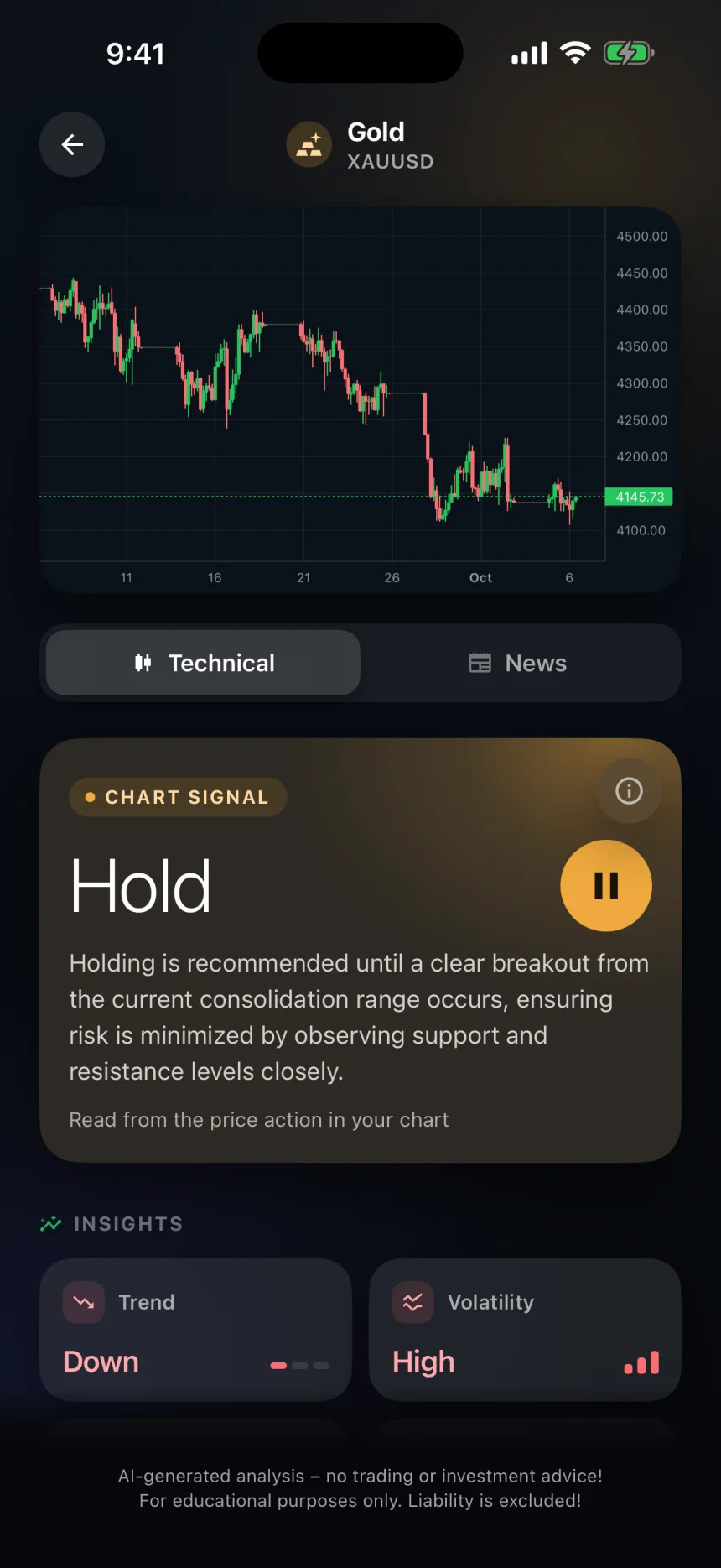
This is today's read on KOSPI. Point your camera at any chart and ChartDetector AI gives you a full technical analysis in seconds — free on iPhone and Android.
AI-generated from public news sources. Not financial advice.