Bearish
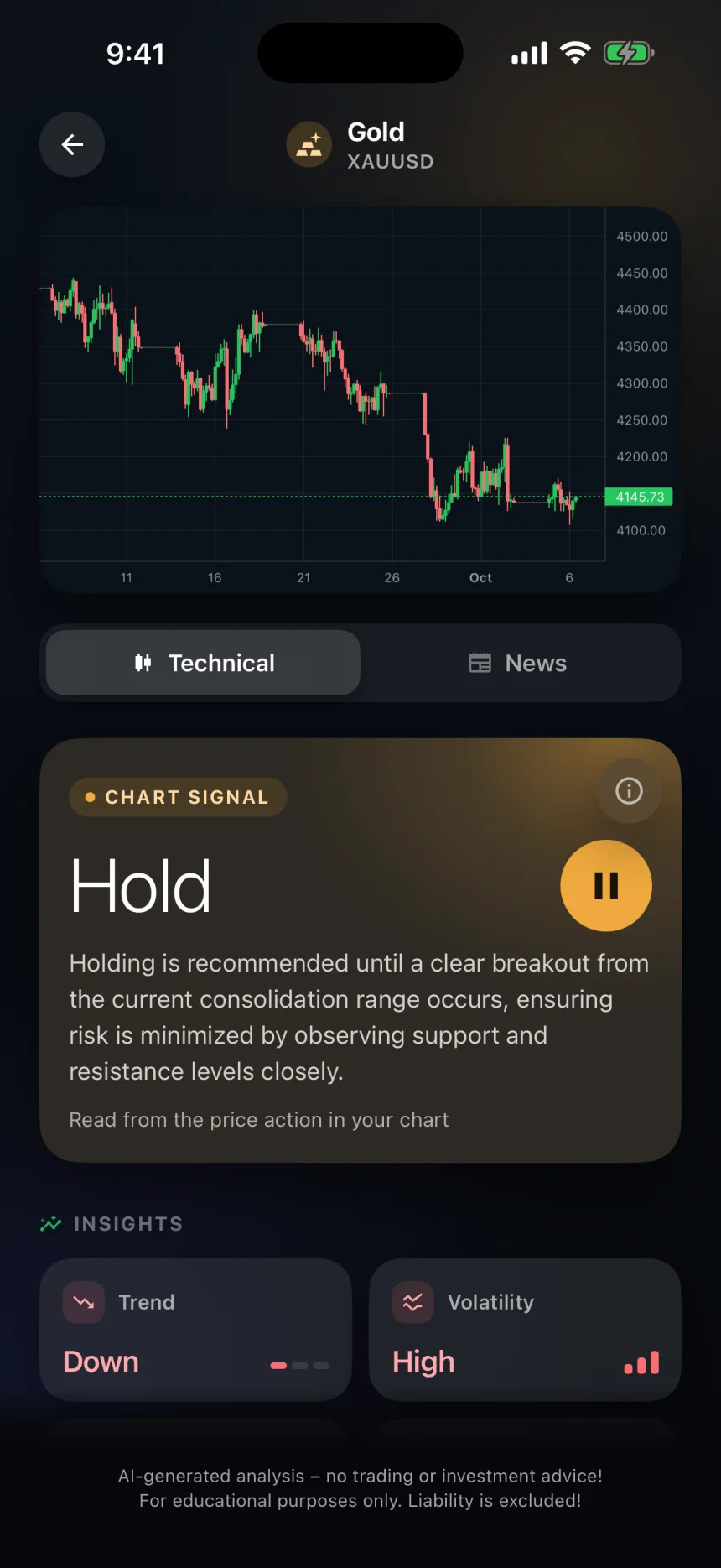
Gold prices decline as rising energy costs and higher Treasury yields weigh on XAUUSD.
Over the past 24 hours, gold prices have experienced a decline, closing at $4,157.30 on September 30, 2026, down from $4,181.99 the previous day. This downturn is primarily attributed to escalating energy prices and increasing U.S. Treasury yields, which have overshadowed the support typically provided by softer U.S. inflation data. The combination of these factors has dampened gold's appeal as an inflation hedge.
Key points
- Rising energy prices have intensified inflation concerns, leading to higher Treasury yields and a stronger U.S. dollar, which in turn have pressured gold prices lower.
- Despite the decline, gold remains above key technical support levels, indicating potential for stabilization if market conditions change.
- Recent U.S. inflation data has been softer than expected, but the impact on gold has been limited due to the overriding influence of rising energy costs and yields.
Sources
- XAUUSD: Gold Faces Key Resistance Amid Rising Energy Prices and Inflation Data Impact, October 1, 20261uptick Analytics · October 1, 2026
- Gold News: XAUUSD Faces PCE Test as Dollar and High Yields Cap BounceFXEmpire · September 29, 2026
- Gold News: Dollar Rally Keeps XAUUSD Price Under Pressure Despite Cheaper OilFXEmpire · September 23, 2026
AI-generated from public news sources. Not financial advice.